3507 Trimmier Road, Killeen, TX, USA

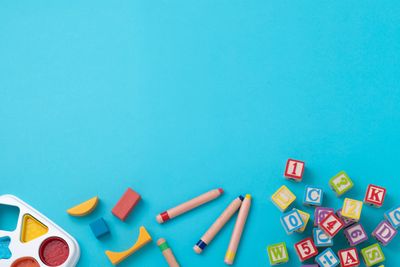
The HCAA Preschool Program is built upon the CLI Engage Circle curriculum, a research-based framework designed to foster early childhood development through exploration, play, and structured experiences. Our program emphasizes hands-on learning and center-based activities, ensuring that students engage actively with their environment while developing essential academic, social, and artistic skills.
As students progress through preschool, they are gradually introduced to the literary-based instructional model used in HCAA's upper grade levels. This transition ensures:
The preschool program is intentionally designed to prepare children for admission into HCAA's elementary program by cultivating:

A hands-on, individualized, whole-child approach to mathematical thinking
The Hill Country Arts Academy math program is designed to nurture confident, flexible thinkers who understand mathematics as a creative, meaningful, and connected part of everyday life. From Prek-3 through 8th grade, students learn through hands-on exploration, individualized instruction, and project-based experiences that honor each child's developmental stage and learning style. Concrete materials, visual models, collaborative problem-solving, and real-world applications help students build deep conceptual understanding before moving into abstract reasoning.
Our approach reflects HCAA's whole-child philosophy: students are encouraged to think critically, communicate their ideas, persevere through challenges, and discover the joy of mathematical inquiry.
Early childhood math at HCAA is playful, sensory-rich, and rooted in exploration. Students build foundational number sense, pattern recognition, spatial awareness, and early problem-solving through centers, manipulatives, music, movement, and storytelling. Activities are intentionally differentiated to meet each child where they are, supporting curiosity, confidence, and a positive relationship with mathematics from the very beginning.
In the primary grades, students transition from exploratory counting to more structured understanding of addition, subtraction, place value, measurement, and early geometry. Lessons blend direct instruction with hands-on tools, math games, partner work, and visual models. Students learn to explain their thinking, try multiple strategies, and apply math to meaningful classroom projects-such as designing simple maps, creating pattern art, or planning classroom events.
Upper elementary students deepen their understanding of multiplication, division, fractions, decimals, geometry, and multi-step problem-solving. Instruction emphasizes reasoning, communication, and flexible thinking. Students engage in math labs, collaborative challenges, and long-term projects that connect math to real-world contexts-such as building scale models, analyzing data from science experiments, or creating board games that require strategic mathematical thinking. Individualized pathways allow students to strengthen foundational skills or extend into enrichment as needed.
Middle school students develop the independence and analytical skills needed for high school mathematics. Coursework includes proportional reasoning, algebraic thinking, geometry, statistics, and functional relationships. Students apply math through authentic, interdisciplinary projects-budget planning, architectural design, scientific data analysis, and physics-inspired challenges-while continuing to use visual models and hands-on tools to support deep understanding. Emphasis is placed on problem-solving, collaboration, and the ability to communicate mathematical reasoning clearly and confidently.
HCAA’s ninth grade math program strengthens algebraic reasoning, problem‑solving, and real‑world application. Students explore linear and quadratic functions, systems, exponents, and foundational geometry through clear instruction, collaborative inquiry, and hands‑on, arts‑integrated projects. The course builds confidence, flexibility, and readiness for advanced high‑school math pathways.

A joyful, literature-rich, whole child approach to reading, writing, and communication
The Hill Country Arts Academy Language Arts program nurtures confident readers, expressive writers, and thoughtful communicators. From PreK-3 through 8th grade, students engage with rich literature, explicit skill development, and creative expression in ways that honor their developmental needs and individual learning styles. Instruction blends phonics, vocabulary, grammar, handwriting, and composition with storytelling, discussion, drama, and arts-integrated projects that bring language to life.
Our whole child approach ensures that students not only master foundational literacy skills but also discover their voice, think critically, and communicate with clarity and purpose.
Early literacy at HCAA is multisensory, playful, and rooted in oral language development. Students explore sounds, letters, rhymes, and early print concepts through songs, movement, storytelling, and hands-on centers. Foundational phonemic awareness and early phonics skills are introduced in joyful, developmentally appropriate ways. Children build vocabulary, listening skills, and expressive language through rich read-alouds and imaginative play.
Students transition into more structured reading and writing instruction while maintaining creativity and exploration. Systematic phonics continues to guide early decoding and spelling, ensuring strong foundational reading skills. Students practice handwriting, sentence formation, and early grammar concepts through interactive lessons and writing workshops. Creative storytelling, poetry, and simple informational writing help students express ideas clearly while building confidence and emerging writers.
Third grade serves as a bridge from learning to read toward reading to learn. Phonics instruction continues as needed to support fluency and accuracy, while students deepen comprehension through chapter books, literature studies, and guided discussions. Grammar instruction becomes more explicit, helping students understand parts of speech, sentence structure, and mechanics. Writing expands into paragraphs, descriptive pieces, and early research projects, supported by graphic organizers, modeling, and peer collaboration.
Upper elementary students refine reading comprehension, vocabulary, and analytical thinking through novel studies, nonfiction texts, and cross-curricular literature connections. Grammar instruction strengthens understanding of sentence structure, usage, and mechanics, helping students write with clarity and precision. Writing workshops guide students through narrative, expository, persuasive, and creative forms. Students draft, revise, edit, and publish their work, often integrating visual arts, drama, or technology to enhance communication.
Middle school students develop the advanced literacy skills needed for high school and beyond. They analyze complex texts, explore literary elements, and engage in thoughtful discussion and written reflection. Grammar study supports increasingly sophisticated writing, including multi-paragraph essays, research writing, technical communication, and creative pieces. Students learn to craft strong arguments, support ideas with evidence, and adapt their writing for different audiences and purposes. interdisciplinary projects, presentations, and performance opportunities allow students to express their ideas with confidence and creativity.
HCAA’s ninth grade language arts program deepens students’ mastery of reading, writing, and critical analysis. Students explore rich literary and informational texts while strengthening grammar, composition, and research skills. Instruction balances creative and technical writing, guiding students to craft clear arguments, thoughtful interpretations, and original expressive pieces. Through discussion, close reading, and arts‑integrated projects, students build confidence as communicators and develop the analytical habits essential for high‑school success.

A literature-rich, hands-on exploration of community, culture, history, and the world.
The Hill Country Arts Academy Social Studies program helps students understand themselves, their community, and the wider world through meaningful, developmentally appropriate study. From early childhood through middle school, students explore people, places, cultures, and historical events through stories, discussion, hands-on projects, and creative expression.
A Chronological, Literature‑Rich Journey Through World and American History
In Kindergarten, students build a foundation for understanding the world by exploring themselves, their families, and their communities. They learn about traditions, celebrations, helpers, and the ways people live and work together. Through stories, dramatic play, art, and hands‑on activities, students develop cultural awareness, empathy, and a sense of belonging.
Topics Include:
First graders explore the people, places, and traditions that make our world diverse and fascinating. Through stories, folktales, simple map work, and hands‑on activities, students learn about families, celebrations, daily life, and environments across continents. This gentle introduction builds global awareness, curiosity, and foundational geography skills.
Students begin their historical journey with the earliest civilizations. They explore ancient cultures such as Mesopotamia, Egypt, Greece, China, and early American societies through narrative history, hands‑on projects, and introductory map work. Emphasis is placed on understanding how early people lived and how ancient innovations shaped the modern world.
Third graders study the medieval world, including castles and kingdoms, early African and Asian civilizations, and the cultural exchanges that connected continents. Students deepen their understanding through hands‑on projects, mapping activities, literature, and creative assignments that bring daily life, belief systems, and major historical turning points to life.
This year covers the Renaissance, Age of Exploration, Enlightenment, and the global changes that reshaped societies. Students examine scientific discoveries, artistic achievements, and encounters that linked distant cultures. Map studies, timeline work, and hands‑on projects help students compare world regions and understand the forces that shaped the early modern world.
Fifth graders explore the modern era from the 1700s to the present, including revolutions, industrialization, global conflicts, and technological change. Students analyze how nations formed, how societies transformed, and how global interdependence grew. Hands‑on projects, geography studies, and mapping activities strengthen historical reasoning and prepare students for middle school analysis.
Students take a deeper look at ancient and classical civilizations across Africa, Asia, Europe, and the Americas. They examine political systems, belief structures, cultural achievements, and the rise and fall of empires. Primary sources, comparative study, and analytical writing strengthen academic skills.
This course continues the world story from the Middle Ages through the early modern and modern eras. Students explore global movements, cultural exchanges, scientific and artistic developments, and the major revolutions that shaped the contemporary world. Emphasis is placed on evaluating cause and effect and understanding multiple perspectives.
Eighth graders shift their focus to the American story, studying the people, ideas, and events that shaped the United States from early exploration through the modern era. Students analyze founding principles, regional differences, major conflicts, social movements, and cultural developments using narrative history and primary sources.
Ninth graders explore the development of scientific thought from ancient discoveries to modern breakthroughs. Through biographies, historical narratives, and primary documents, students trace how major scientific ideas emerged, how they were tested, and how they transformed society. The course highlights the lives of influential scientists, the cultural contexts of their work, and the evolving relationship between science, technology, and human progress.
If you want, I can now create:
Just tell me what format you want next.
A Molecule‑Based, Hands‑On Approach to Understanding the Natural World
At Hill Country Arts Academy, our science program grows with students—beginning with sensory exploration in the early years and building toward a rigorous molecule‑based understanding of chemistry, biology, physics, geology, and astronomy. Students learn through hands‑on investigations, accurate scientific language, and real‑world connections that help them see science as an interconnected system.
In the early grades, science is centered around hands‑on, sensory‑rich experiences. Students explore the natural world using their five senses, engaging in center‑based activities that encourage observation, wonder, and discovery.
Children investigate:
Learning is playful and experiential, helping students build early scientific thinking skills through exploration, conversation, and guided inquiry.
Students build the vocabulary and conceptual readiness needed for later scientific study. Using rich, age‑appropriate science readers, they explore key terms, simple concepts, and the structure of the natural world. Activities include:
This stage prepares students for the molecule‑based program that begins in second grade.
Students begin formal science study by learning that everything is made of tiny building blocks. Through simple models, hands‑on activities, and guided experiments, they explore atoms, molecules, states of matter, and basic patterns in the natural world.
Students expand their understanding of molecules and matter while learning the tools scientists use to investigate the world. They practice observation, measurement, classification, and simple experimentation, connecting chemistry, biology, and physics through hands‑on inquiry.
Students explore how molecular behavior explains the world around them—from why substances mix or separate to how living things grow and change. They investigate chemical reactions, energy, ecosystems, and the structure of living organisms using models, diagrams, and hands‑on projects.
Fifth graders study how molecules interact to form complex systems in chemistry, biology, geology, and astronomy. They explore weather patterns, ecosystems, planetary motion, and Earth’s materials through labs, modeling, and data collection.
Students deepen their understanding of molecular interactions and begin applying scientific principles to real‑world problems. They explore chemical bonding, cellular processes, energy transfer, and Earth systems while strengthening scientific reasoning and multi‑step investigation skills.
Students learn how scientists use tools, models, and experiments to test ideas. They study chemical reactions, genetics, forces and motion, and Earth’s dynamic systems. Labs become more complex, and students practice explaining scientific phenomena using precise vocabulary.
Students synthesize everything they’ve learned about molecules, matter, energy, and systems. They explore advanced concepts across scientific disciplines and complete multi‑step investigations that prepare them for high school science.
If you’d like, I can now create:
Just tell me what you want next.
Across all grade levels, HCAA science:
The Hill Country Arts Academy Art Program provides a rich, process‑driven visual arts education for students from early childhood through middle school. Rooted in creativity, exploration, and skill development, the program nurtures confident young artists who think critically, take creative risks, and express their ideas with clarity and craftsmanship.
Students engage in a thoughtfully sequenced curriculum that blends foundational technique with imaginative, hands‑on projects. Through drawing, painting, sculpture, mixed media, and design, learners build both artistic fluency and personal voice. Instruction emphasizes experimentation, problem‑solving, and the joy of creating—ensuring that every student, regardless of experience, feels successful and inspired.
Program Features
🎨 Foundational Skills & Techniques
Students develop essential artistic skills including line, shape, color theory, composition, shading, texture, and form. Lessons build progressively to support mastery and confidence.
🖌️ Studio‑Based Exploration
Learners work with a wide range of materials—watercolor, acrylic, clay, collage, pastels, printmaking, and more—encouraging curiosity and creative risk‑taking.
🧠 Creative & Critical Thinking
Projects integrate observation, analysis, and reflection. Students learn to discuss artwork, make intentional choices, and understand how artists communicate ideas.
🌍 Art History & Cultural Connections
Students explore artists, movements, and global traditions, connecting their studio work to broader cultural and historical contexts.
👐 Process Over Perfection
The program celebrates experimentation and growth. Students learn that art is a journey—one that values effort, imagination, and resilience.
🎭 Interdisciplinary Collaboration
As part of HCAA’s arts‑integrated environment, visual arts often connect with drama, music, literature, and science, enriching learning across subjects.
💫 Showcases & Exhibitions
Student artwork is displayed throughout the year, giving young artists opportunities to share their creativity with families and the community.
The PreK3–1st Grade Art Program at Hill Country Arts Academy introduces young learners to the joy of creating through hands‑on exploration, sensory experiences, and age‑appropriate art fundamentals. Students build confidence as artists while developing fine‑motor skills, visual awareness, and the ability to express ideas through color, shape, and texture.
This early‑childhood sequence emphasizes process over product, encouraging curiosity, imagination, and a love of making.
Program Features
🖍️ Creative Exploration
Children experiment with a wide range of materials—crayons, markers, watercolor, tempera, clay, collage, and natural objects—learning how different tools feel and behave.
🎨 Foundational Art Skills
Students begin developing early artistic concepts such as:
• Line, shape, and pattern
• Color mixing and recognition
• Basic composition
• Texture and form
These skills are introduced through playful, guided activities that meet children where they are developmentally.
👐 Fine‑Motor Development
Cutting, gluing, painting, drawing, and building strengthen hand‑eye coordination and prepare students for writing and other academic tasks.
🌈 Process‑Based Learning
Young artists learn that art is about exploration, discovery, and expression. Projects focus on creativity and confidence rather than perfection.
📚 Story & Art Connections
Lessons often connect to picture books, seasonal themes, and imaginative storytelling, helping children link visual art to language, emotions, and the world around them.
🌍 Cultural & Artist Introductions
Students meet famous artists and global art traditions through simple, engaging stories and projects inspired by their work.
🎨 Art Explorations Class
A Hands‑On Introduction to Multiple Art Forms
The Art Explorations class offers students a joyful, accessible introduction to the visual arts. Designed for Tuesday/Thursday Hybrid students and available as an elective for learners in other HCAA programs, this class provides a broad foundation in artistic techniques, materials, and creative thinking. No prior experience is required—just curiosity and a willingness to try new things.
Students experiment with a wide range of art forms, building confidence as they discover what inspires them most. Each unit emphasizes hands‑on learning, creative problem‑solving, and the freedom to explore personal expression.
What Students Experience
🎨 Multi‑Medium Exploration
Students rotate through a variety of art forms, which may include:
• Drawing & sketching
• Painting (watercolor, tempera, acrylic)
• Sculpture & clay
• Collage & mixed media
• Printmaking
• Basic design concepts
🖌️ Foundational Art Skills
Learners build early technique in:
• Line, shape, and form
• Color mixing and color theory
• Texture and pattern
• Composition and layout
• Safe and confident use of tools and materials
🌈 Creative Expression & Process
Projects encourage imagination, experimentation, and personal voice. Students learn that art is a process—one that values exploration, effort, and growth.
🌍 Artist & Cultural Connections
Short, engaging introductions to artists, styles, and global art traditions help students understand how art reflects culture and ideas
🎨 Art Fundamentals Class
A Structured, Skill‑Building Visual Arts Course
The Art Fundamentals class is a structured, technique‑driven visual arts course offered on Mondays, Wednesdays, and Fridays. Designed for students ready to move beyond introductory exploration, this class provides a systematic study of art mediums, methods, and foundational skills. It serves as the next step above Art Explorations and is divided into proficiency levels to ensure appropriate challenge and growth for every young artist.
Students build artistic fluency through guided practice, intentional skill development, and increasingly sophisticated projects that strengthen both craftsmanship and creative thinking.
What Students Experience
🖌️ Progressive Skill Development
Instruction follows a sequenced curriculum that deepens students’ understanding of:
• Drawing techniques and observational skills
• Color theory and advanced color mixing
• Composition, balance, and design principles
• Shading, value, and form
• Texture, pattern, and detail work
🎨 Systematic Medium Exploration
Students work through a structured rotation of mediums, such as:
• Graphite, charcoal, and ink
• Watercolor, tempera, and acrylic
• Oil and chalk pastels
• Clay and sculpture materials
• Printmaking tools and processes
📈 Leveled Instruction
Classes are divided by proficiency level—beginner, intermediate, and advanced—allowing students to:
• Learn at an appropriate pace
• Receive targeted feedback
• Build confidence as they progress
• Take on more complex techniques and projects over time
🧠 Artistic Thinking & Technique
Students learn to plan, revise, and refine their work, developing habits of:
• Creative problem‑solving
• Intentional decision‑making
• Artistic critique and reflection
• Studio etiquette and material care
🌍 Connections to Artists & Movements
Lessons incorporate age‑appropriate studies of influential artists, styles, and cultural traditions, helping students understand how technique and expression evolve across history.
🖼️ Portfolio‑Ready Work
Projects are designed to build a strong foundation for future advanced study, with opportunities to create polished pieces suitable for showcases and personal portfolios.
🎨 Art Techniques Class
Advanced, Leveled Instruction for Dedicated Art Students
The Art Techniques class is an advanced visual arts course available exclusively to full‑time Hill Country Arts Academy students. Designed for serious young artists who are ready for deeper study, this class builds on the foundation established in Art Fundamentals and moves into refined technique, artistic discipline, and expanded creative horizons. Enrollment is by teacher placement only to ensure students are appropriately challenged and supported.
This leveled sequence provides a focused, studio‑style environment where students strengthen technical skill, develop artistic voice, and engage with increasingly sophisticated concepts and materials.
What Students Experience
🖌️ Advanced Skill Development
Students refine and expand their abilities through targeted instruction in:
• Advanced drawing and observational accuracy
• Complex color theory and controlled application
• Layering, blending, and rendering techniques
• Precision in line, value, and form
• Detailed craftsmanship and finishing methods
🎨 Expanded Mediums & Methods
Learners explore higher‑level processes and materials such as:
• Ink and pen illustration
• Advanced acrylic and watercolor techniques
• Pastel layering and mixed‑media integration
• Sculptural refinement and 3‑D design
• Printmaking with increased complexity
📈 Leveled Placement for Growth
Students are placed into levels based on readiness, work habits, and artistic maturity. Each level offers:
• Rigorous skill progression
• Individualized feedback
• Opportunities to take on more challenging projects
• A pathway toward mastery and artistic independence
🧠 Artistic Voice & Creative Direction
Students learn to make intentional artistic choices, analyze their work, and develop a personal style. Emphasis is placed on:
• Concept development
• Creative problem‑solving
• Artistic critique and reflection
• Portfolio‑quality work
🌍 Connections to Professional Practice
Projects draw inspiration from contemporary and historical artists, helping students understand technique, style, and artistic purpose across cultures and time periods.
🖼️ Portfolio & Exhibition Readiness
Students produce polished, high‑quality pieces suitable for showcases, competitions, and future specialized study.

🎭🎶 Hill Country Arts Academy Drama & Music Programs
The Hill Country Arts Academy Drama and Music Programs provide a joyful, process‑driven performing arts education for students from early childhood through middle school. Rooted in creativity, expression, and skill development, the programs nurture confident young performers who communicate clearly, collaborate effectively, and bring stories and music to life with imagination and artistry.
Students engage in a thoughtfully sequenced curriculum that blends foundational technique with dynamic, hands‑on experiences. Through acting, movement, improvisation, singing, rhythm, and ensemble work, learners build both performance fluency and personal voice. Instruction emphasizes exploration, problem‑solving, and the joy of expression—ensuring that every student, regardless of experience, feels successful and inspired.
Program Features
🎭 Foundational Performance Skills
Students develop essential dramatic and musical skills including vocal projection, pitch matching, rhythm, expression, character creation, and stage presence. Lessons build progressively to support mastery and confidence.
🎶 Active, Ensemble‑Based Learning
Learners participate in movement activities, rhythm games, scene work, improvisation, and group music‑making—encouraging creativity, collaboration, and artistic risk‑taking.
🧠 Creative & Critical Thinking
Students analyze stories, characters, lyrics, and musical patterns. They learn to make intentional artistic choices, reflect on performances, and understand how performers communicate meaning.
🌍 Cultural & Historical Connections
Students explore theatre traditions, musical styles, composers, and global performance practices, connecting their work to broader cultural and historical contexts.
✨ Process Over Perfection
The programs celebrate growth, experimentation, and expressive courage. Students learn that performance is a journey—one that values effort, imagination, and resilience.
🎨 Interdisciplinary Collaboration
As part of HCAA’s arts‑integrated environment, drama and music often connect with visual arts, literature, and academic subjects, enriching learning across disciplines.
🌟 Showcases & Performances
Students share their developing skills through informal sharings and seasonal performances, giving young performers meaningful opportunities to shine and celebrate their progress with families and the community.
🎭🎶 PreK3–1st Grade Drama & Music Program
The PreK3–1st Grade Drama and Music Program at Hill Country Arts Academy introduces young learners to the joy of performing through imaginative play, movement, rhythm, and age‑appropriate expressive arts. Students build confidence as performers while developing early communication skills, body awareness, listening skills, and the ability to express ideas through voice, movement, and sound.
This early‑childhood sequence emphasizes process over performance, encouraging curiosity, creativity, and a love of storytelling and music‑making.
Program Features
🎭 Creative Expression & Dramatic Play
Children explore characters, emotions, and stories through pretend play, movement games, puppetry, and simple role‑play—learning how their bodies and voices can communicate ideas.
🎶 Foundational Music Skills
Students begin developing early musical concepts such as:
• Steady beat and rhythm patterns
• Pitch matching and melodic awareness
• Call‑and‑response singing
• Listening and echoing
• Movement to music
These skills are introduced through playful, guided activities that meet children where they are developmentally.
🗣️ Early Communication & Performance Skills
Speaking, singing, moving, and responding in a group strengthen confidence, articulation, coordination, and social‑emotional expression—laying the groundwork for future performance readiness.
🌈 Process‑Based Learning
Young performers learn that drama and music are about exploration, imagination, and expressive freedom. Activities focus on participation and confidence rather than perfection or memorization.
📚 Story, Song & Movement Connections
Lessons often connect to picture books, seasonal themes, and imaginative storytelling, helping children link music and drama to language, emotions, and the world around them.
🌍 Cultural & Artistic Introductions
Students experience simple stories, songs, and performance traditions from around the world through engaging, age‑appropriate activities that broaden their artistic awareness.
🎭🎶 Drama & Music Explorations Class
A Hands‑On Introduction to Performing Arts
The Drama & Music Explorations class offers students a joyful, accessible introduction to the performing arts. Designed for Tuesday/Thursday Hybrid students and available as an elective for learners in other HCAA programs, this class provides a broad foundation in dramatic expression, musical skills, and creative performance. No prior experience is required—just imagination and a willingness to participate.
Students explore storytelling, movement, rhythm, voice, and ensemble collaboration, building confidence as they discover what inspires them most. Each unit emphasizes active learning, creative risk‑taking, and the freedom to express ideas through sound, movement, and character.
What Students Experience
🎭🎶 Multi‑Disciplinary Performing Arts Exploration
Students rotate through a variety of drama and music experiences, which may include:
• Dramatic play & character creation
• Storytelling and simple scene work
• Rhythm games & percussion instruments
• Singing and melodic exploration
• Movement and expressive acting
• Ensemble activities and group performances
🗣️ Foundational Performance Skills
Learners build early technique in:
• Vocal projection and articulation
• Pitch matching and steady beat
• Emotional expression and character choices
• Listening, responding, and ensemble awareness
• Confident use of voice, body, and simple instruments
🌈 Creative Expression & Process
Activities encourage imagination, experimentation, and personal voice. Students learn that performing arts are a process—one that values participation, courage, and growth.
🌍 Cultural & Artistic Connections
Short, engaging introductions to theatre traditions, musical styles, composers, and global performance practices help students understand how the performing arts reflect culture, storytelling, and community.
🎭🎶 Drama/Vocal Fundamentals Class
A Structured, Skill‑Building Performing Arts Course
The Drama/Vocal Fundamentals class is a structured, technique‑driven performing arts course offered on Mondays, Wednesdays, and Fridays. Designed for students ready to move beyond introductory exploration, this class provides a systematic study of acting, vocal technique, musicality, and expressive performance skills. It serves as the next step above Drama & Music Explorations and is divided into proficiency levels to ensure appropriate challenge and growth for every young performer.
Students build performance fluency through guided practice, intentional skill development, and increasingly sophisticated dramatic and vocal work that strengthens both artistry and confidence.
What Students Experience
🎭🎶 Progressive Skill Development
Instruction follows a sequenced curriculum that deepens students’ understanding of:
• Vocal projection, breath support, and healthy tone production
• Pitch accuracy, rhythm fluency, and melodic phrasing
• Character development and emotional expression
• Stage presence, movement, and physical storytelling
• Ensemble listening, timing, and collaboration
🎤 Systematic Technique Exploration
Students work through a structured rotation of dramatic and vocal techniques, such as:
• Warm‑ups for voice, breath, and articulation
• Acting exercises, improvisation, and scene study
• Ear‑training, solfege, and rhythmic patterns
• Storytelling through spoken word and song
• Performance etiquette and stagecraft basics
📈 Leveled Instruction
Classes are divided by proficiency level—beginner, intermediate, and advanced—allowing students to:
• Learn at an appropriate pace
• Receive targeted, individualized feedback
• Build confidence as they progress
• Take on more complex scenes, songs, and performance challenges
🧠 Artistic Thinking & Technique
Students learn to plan, rehearse, and refine their work, developing habits of:
• Creative problem‑solving
• Intentional artistic choices
• Constructive critique and self‑reflection
• Professional rehearsal etiquette and ensemble responsibility
🌍 Connections to Theatre & Musical Traditions
Lessons incorporate age‑appropriate studies of playwrights, composers, performance styles, and global traditions, helping students understand how dramatic and musical expression evolve across cultures and history.
🌟 Performance‑Ready Work
Students prepare polished scenes, monologues, ensemble pieces, and vocal selections suitable for informal sharing, showcases, and future advanced study in theatre and vocal performance.
🎭🎶 Drama/Vocal Techniques Class
Advanced, Leveled Instruction for Dedicated Performing Arts Students
The Drama/Vocal Techniques class is an advanced performing arts course available exclusively to full‑time Hill Country Arts Academy students. Designed for serious young performers ready for deeper study, this class builds on the foundation established in Drama/Vocal Fundamentals and moves into refined technique, artistic discipline, and expanded expressive range. Enrollment is by teacher placement only to ensure students are appropriately challenged and supported.
This leveled sequence provides a focused, studio‑style environment where students strengthen technical skill, develop artistic voice, and engage with increasingly sophisticated dramatic and vocal concepts.
What Students Experience
🎤 Advanced Skill Development
Students refine and expand their abilities through targeted instruction in:
• Advanced vocal technique, breath control, and tone production
• Pitch accuracy, harmonization, and musical phrasing
• Character analysis and emotional authenticity
• Physical storytelling, movement precision, and stage presence
• Dramatic timing, diction, and expressive nuance
🎭 Expanded Methods & Performance Practices
Learners explore higher‑level dramatic and musical processes such as:
• Monologue and scene study with increased complexity
• Multi‑part vocal work and ensemble harmonies
• Improvisation for character depth and spontaneity
• Acting through song and musical interpretation
• Introduction to directing, staging, and performance design
📈 Leveled Placement for Growth
Students are placed into levels based on readiness, work habits, and artistic maturity. Each level offers:
• Rigorous skill progression
• Individualized coaching and feedback
• Opportunities to take on more challenging repertoire
• A pathway toward mastery and artistic independence
🧠 Artistic Voice & Creative Direction
Students learn to make intentional performance choices, analyze text and music, and develop a personal artistic style. Emphasis is placed on:
• Character development and motivation
• Interpretive decision‑making
• Constructive critique and self‑reflection
• Preparing polished, performance‑ready work
🌍 Connections to Professional Practice
Lessons draw inspiration from contemporary and historical theatre and vocal traditions, helping students understand technique, style, and artistic purpose across cultures and time periods.
🌟 Performance & Showcase Readiness
Students prepare refined scenes, monologues, ensemble pieces, and vocal selections suitable for showcases, auditions, competitions, and future specialized study.
🎤 Private Vocal Lesson Eligibility
Students who demonstrate the appropriate level of vocal maturity, readiness, and artistic discipline may be invited to participate in private vocal lessons. These one‑on‑one sessions provide individualized technical training, repertoire development, and focused coaching tailored to each student’s unique voice and goals.
Private lessons are available exclusively to full‑time HCAA students who have been placed in the Drama/Vocal Techniques class, ensuring that participants have the foundational skills and commitment necessary to benefit from advanced vocal study
🎶 Music Appreciation & History Class
Exploring Music Across Cultures, Eras, and Styles
The Music Appreciation & History class invites students to discover the rich world of music through listening, analysis, and cultural exploration. Designed for learners who want to deepen their understanding of how music is created, performed, and shaped by history, this class blends engaging discussion with active listening and hands‑on musical experiences. No prior musical training is required—just curiosity and an open ear.
Students explore major musical traditions, influential composers and performers, and the social and cultural contexts that shaped their work. Through guided listening, creative response activities, and interactive lessons, learners develop a broader musical vocabulary and a lifelong appreciation for the art form.
What Students Experience
🎧 Guided Listening & Musical Literacy
Students learn how to listen with intention, developing skills in:
• Identifying instruments, rhythms, and melodic patterns
• Recognizing musical forms and stylistic traits
• Describing music using age‑appropriate vocabulary
• Understanding how composers and performers communicate emotion and ideas
🌍 Music Across Cultures & Time Periods
Learners explore a wide range of musical traditions, which may include:
• Classical eras (Baroque, Classical, Romantic, Modern)
• Jazz, blues, and American folk traditions
• Global music from diverse cultures
• Contemporary genres and influential artists
• Music for film, theatre, and storytelling
🧠 Historical & Cultural Connections
Students discover how music reflects the world around it by examining:
• The lives and contributions of key composers and performers
• How historical events influence musical styles
• The role of music in celebrations, rituals, and communities
• The evolution of instruments and technology
🎵 Creative Response & Hands‑On Activities
To deepen understanding, students participate in activities such as:
• Rhythm and movement exercises
• Simple composition or sound‑creation projects
• Drawing, writing, or acting in response to music
• Group discussions and reflective listening
🌟 Building Lifelong Appreciation
By the end of the course, students gain:
• A broader understanding of musical styles and traditions
• Stronger listening and analytical skills
• Confidence discussing and interpreting music
• A deeper connection to music as an expressive, cultural, and historical art form
💃 Dance Program Overview
Hill Country Arts Academy
The Dance Program at Hill Country Arts Academy provides a joyful, technique‑building foundation in movement, musicality, and expressive performance for students from early childhood through middle school. Rooted in creativity, discipline, and healthy physical development, the program nurtures confident young dancers who move with purpose, understand their bodies, and express themselves through the art of dance.
Students progress through a thoughtfully sequenced curriculum that blends foundational technique with age‑appropriate choreography, creative movement, and opportunities for personal expression. Whether exploring dance for the first time or advancing into leveled technique classes, learners build strength, coordination, flexibility, and artistic confidence in a supportive environment.
Program Features
🩰 Foundational Technique & Movement Skills
Students develop essential dance skills including:
• Alignment, posture, and balance
• Coordination and spatial awareness
• Musicality, rhythm, and timing
• Flexibility, strength, and safe movement habits
• Foundational vocabulary across dance styles
Instruction is developmentally appropriate and designed to support long‑term growth.
💃 Multi‑Style Dance Exploration
Younger dancers experience a variety of styles—ballet, jazz, tap, creative movement, and contemporary foundations—while older students may progress into leveled technique classes based on readiness and interest.
🌈 Creative Expression & Choreography
Students learn to express ideas through movement, explore improvisation, and participate in age‑appropriate choreography. Creativity, confidence, and joy are central to every class.
🧠 Discipline, Focus & Artistic Growth
Dance classes support whole‑child development by building:
• Concentration and perseverance
• Body awareness and self‑control
• Teamwork and ensemble skills
• Goal‑setting and personal responsibility
These habits strengthen both artistic and academic success.
🌍 Connections to Dance History & Culture
Students are introduced to influential dancers, choreographers, and global dance traditions, helping them understand how movement reflects culture, storytelling, and community.
🌟 Showcase Opportunities
Dancers share their progress through seasonal performances and informal sharings, giving them meaningful opportunities to celebrate their growth with families and the community.
🌼 Early Childhood Dance Classes (PreK3 & PreK4)
🌈 Creative Movement
Creative Movement introduces our youngest dancers to the joy of dance through imaginative play, musical exploration, and age‑appropriate movement. Children learn to:
• Explore rhythm, tempo, and expressive movement
• Develop balance, coordination, and body awareness
• Respond to stories, music, and imagery
• Build confidence in a warm, playful environment
This class lays a joyful foundation for future dance study.
👣 Tiny Tappers
Tiny Tappers offers a lively, engaging introduction to tap dance for early learners. Students explore:
• Basic tap steps and rhythmic patterns
• Listening skills and musical responsiveness
• Simple combinations that build coordination
• The excitement of making sound through movement
This class strengthens early rhythm skills and nurtures a love of dance.
🌟 Primary Dance Classes (Kindergarten & 1st Grade)
🩰 Primary Ballet
Primary Ballet introduces young dancers to the foundational vocabulary and structure of ballet in a developmentally appropriate way. Students learn:
• Basic positions and simple barre work
• Graceful movement, posture, and alignment
• Musicality, coordination, and spatial awareness
• Short, age‑appropriate choreography
This class builds the technical groundwork for future ballet study while keeping the experience fun and accessible.
🎶 Primary Tap
Primary Tap expands on early rhythm and coordination skills through energetic, structured tap instruction. Students develop:
• Clear tap sounds and beginning technique
• Rhythm patterns, timing, and musical phrasing
• Coordination through simple combinations
• Confidence performing short tap sequences
This class prepares dancers for more formal tap training in later grades.
🩰 Classical Ballet Track
A Structured, Technique‑Driven Pathway
The classical track begins at Level One and progresses through increasingly rigorous technique, artistry, and discipline.
Level One Ballet
Entry Point to Classical Technique
Level One introduces dancers to the structure and expectations of formal ballet training. Students develop:
• Foundational barre technique
• Basic center work and simple combinations
• Alignment, turnout awareness, and safe movement habits
• Musical phrasing and expressive quality
• Discipline, focus, and classroom etiquette
Eligibility:
Level One is open to full‑time students and may also be available to Hybrid students when space and scheduling allow.
Level Two Ballet (Placement Required)
Refined Technique & Increased Complexity
Level Two is reserved for dancers who have demonstrated the strength, maturity, and consistency required for more advanced classical work.
Students progress into:
• Longer and more complex barre sequences
• Expanded center combinations and directional changes
• Strengthening turnout, balance, and core control
• Beginning adagio, simple allegro, and introductory turns
• Greater emphasis on precision, artistry, and stamina
Eligibility:
Level Two and all higher levels are available exclusively to full‑time HCAA students and require teacher placement to ensure appropriate challenge and support.
Levels 3–5 Ballet (Placement Required)
Advanced Classical Training & Progressive Pointe Readiness
Levels 3–5 represent the upper tiers of the HCAA Classical Ballet Track and are available exclusively to full‑time students who have demonstrated the technical readiness, strength, discipline, and maturity required for advanced classical study. Placement is determined by teacher evaluation to ensure dancers progress safely and confidently.
🩰 Level Three Ballet
Pre‑Pointe Foundations & Technical Refinement
Level Three deepens classical technique while preparing dancers for the physical demands of pointe work. Students focus on:
• Strengthening ankles, feet, and core stability
• Increased complexity in barre and center combinations
• Expanded adagio, allegro, and turning vocabulary
• Musical phrasing, artistry, and performance quality
• Pre‑pointe conditioning and readiness assessments
Pre‑pointe work begins only when dancers demonstrate the necessary strength, alignment, and consistency to train safely.
🩰 Level Four Ballet
Introduction to Pointe Work (When Ready)
Level Four continues to advance classical technique while introducing pointe work to dancers who have met all readiness criteria. Students work on:
• Beginning pointe exercises at the barre
• Safe weight placement and proper alignment
• Strength and endurance for sustained pointe work
• More complex center combinations and directional changes
• Artistic refinement and expressive performance
Pointe work begins only for students who have been individually evaluated and approved by their instructor to ensure safety and long‑term success.
🩰 Level Five Ballet
Advanced Technique, Artistry & Performance
Level Five is designed for dancers who are ready for the highest level of classical training offered at HCAA. Instruction emphasizes:
• Advanced pointe work (for approved students)
• Complex allegro, turns, and extended adagio sequences
• Precision, stamina, and technical mastery
• Nuanced artistry, musical interpretation, and performance presence
• Preparation for future pre‑professional or advanced study
This level supports dancers in developing both technical excellence and a mature artistic voice.
📈 Placement & Progression
Advancement into Levels 3–5 is based on:
• Technical proficiency and safe execution
• Strength, flexibility, and physical readiness
• Consistent work habits and classroom discipline
• Teacher evaluation and professional judgment
This ensures that each dancer progresses at a pace that supports confidence, safety, and long‑term growth.
👣 Tap Program Structure
Rhythm, Musicality, and Percussive Expression
The Tap Program at Hill Country Arts Academy develops strong rhythmic awareness, coordination, and expressive performance skills through a progressive, leveled curriculum. Students begin with accessible introductory experiences and advance into structured technique training.
🌟 Tap Explorations (Hybrid & Elective Students)
A Fun, Accessible Introduction to Tap
Tap Explorations is designed for Tuesday/Thursday Hybrid students and serves as an elective option for learners in other HCAA programs. This class introduces the joy of rhythm and sound through movement.
Students explore:
• Basic tap steps and simple rhythms
• Listening skills and musical responsiveness
• Beginning combinations that build coordination
• Confidence and expressive movement
This class prepares interested dancers for Level One Tap.
Level One Tap
Foundational Tap Technique
Level One introduces dancers to structured tap training. Students develop:
• Clear tap sounds and beginning technique
• Basic rhythm patterns and traveling steps
• Coordination, timing, and musicality
• Simple combinations and performance skills
• Safe movement habits and classroom discipline
Eligibility:
Open to full‑time students and Hybrid students when space allows.
Level Two Tap (Placement Required)
Expanded Rhythmic Complexity
Level Two is available only by teacher placement and exclusively to full‑time students.
Students progress into:
• Multi‑sound patterns and increased speed
• Traveling combinations and turning sequences
• Syncopation and rhythmic layering
• Musical interpretation and expressive performance
Levels Three–Five Tap (Placement Required)
Advanced Tap Technique & Performance
Upper‑level Tap classes focus on:
• Complex rhythmic structures and improvisation
• Precision, clarity, and speed
• Advanced traveling steps and turning tap sequences
• Performance‑ready choreography
• Artistic interpretation and stylistic versatility
💃 Jazz Program Structure
Technique, Style, and Expressive Movement
The Jazz Program at Hill Country Arts Academy builds strength, flexibility, musicality, and expressive performance through a structured, leveled curriculum.
🌟 Jazz Explorations (Hybrid & Elective Students)
A Playful Introduction to Jazz Movement
Jazz Explorations is designed for Tuesday/Thursday Hybrid students and serves as an elective option for learners in other HCAA programs.
Students explore:
• Basic jazz steps and stylized movement
• Musicality, rhythm, and expressive performance
• Simple turns, isolations, and traveling steps
• Confidence and stage presence
This class prepares dancers for Level One Jazz.
Level One Jazz
Foundational Jazz Technique
Level One introduces dancers to structured jazz training. Students develop:
• Foundational jazz vocabulary
• Isolations, turns, and simple leaps
• Strength, flexibility, and alignment
• Musicality and expressive movement
• Short combinations and choreography
Eligibility:
Open to full‑time students and Hybrid students when space allows.
Level Two Jazz (Placement Required)
Introduction to Contemporary Jazz
Level Two is available only by teacher placement and exclusively to full‑time students.
Students progress into:
• More complex turns, leaps, and directional changes
• Strength and flexibility for extended movement phrases
• Musical phrasing and dynamic contrast
• Introduction to Contemporary Jazz, including floorwork and fluid transitions
Levels Three–Five Jazz (Placement Required)
Advanced Jazz & Contemporary Technique
Upper‑level Jazz classes emphasize:
• Advanced turns, leaps, and traveling sequences
• Strength, stamina, and technical precision
• Contemporary technique and expressive artistry
• Complex choreography and performance readiness
• Stylistic versatility across jazz genres
Targeted Training for Technique, Strength, and Performance
In addition to leveled Ballet, Tap, and Jazz classes, Hill Country Arts Academy offers a series of specialty classes designed to support dancers in developing the strength, versatility, and performance skills required for advanced study. These classes complement core technique training and are available to students based on level, readiness, and teacher placement.
🔄 Turns & Leaps
Precision, Power, and Technical Control
The Turns & Leaps class provides focused instruction on the technical elements that enhance performance across all dance styles. Students work on:
• Pirouettes, chaînés, piqués, and traveling turns
• Jetés, saut de chats, and other foundational leaps
• Spotting, alignment, and core engagement
• Strength, control, and safe progression into advanced skills
This class is recommended for dancers in Level Two and above who are ready for targeted technical refinement.
🤸 Flexibility & Conditioning
Strength, Alignment, and Injury Prevention
Flexibility & Conditioning supports dancers in building the physical foundation necessary for safe, sustainable technique. Instruction includes:
• Stretching for flexibility and range of motion
• Strength training for core, legs, and feet
• Balance, stability, and alignment exercises
• Conditioning for stamina and endurance
• Injury‑prevention practices tailored to dancers
This class benefits dancers at all levels and is strongly encouraged for those in the classical and upper‑level tracks.
🩰 Variations
Classical Repertoire & Artistic Interpretation
The Variations class introduces dancers to classical ballet repertoire and performance artistry. Students learn:
• Excerpts from well‑known classical ballets
• Stylistic nuances and historical context
• Musical interpretation and expressive quality
• Stage presence, confidence, and performance polish
Enrollment is limited to dancers in Levels Three and above who are technically ready for repertoire work.
🎭 Production
Choreography, Staging, and Performance Skills
The Production class prepares dancers for stage performance through hands‑on experience with choreography and ensemble work. Students explore:
• Learning and rehearsing choreography
• Spatial awareness and staging
• Ensemble coordination and timing
• Performance quality and storytelling through movement
• Rehearsal etiquette and collaborative artistry
This class supports dancers participating in showcases, recitals, and full‑scale productions.

Each spring, students in second grade and above participate in our annual assessment window. New students may join the April testing session, schedule a private assessment, or submit recent standardized test results from the past year. A testing fee applies for students who are not currently enrolled at HCAA.
Students may be recommended for advanced or accelerated instruction by a teacher or parent. Placement decisions are made thoughtfully and consider the whole child, including personal interviews, screening results, classroom performance, and faculty observations.
Students identified for gifted or advanced learning opportunities receive additional enrichment designed to challenge their thinking and extend their learning beyond the standard curriculum. These students may participate in a dedicated enrichment class offered as part of their elective rotation. Classroom assignments may also be adapted to provide deeper exploration, independent projects, and opportunities for creative and analytical growth.
Program Overview
The Advanced Academic Placement Program provides a stimulating and supportive environment for students who demonstrate exceptional curiosity, motivation, and academic readiness. The program is designed to deepen learning, encourage independent thinking, and allow students to engage meaningfully with subjects that inspire them.
Admission into the program is based on a comprehensive review that considers multiple indicators of readiness, including:
This holistic approach ensures that each student selected is well-matched to the expectations and opportunities of the program.
Students may be placed in one of several pathways:
📘 Pre‑AP, AP, and Advanced Academic Pathways
Hill Country Arts Academy is committed to providing rigorous academic opportunities for students who demonstrate exceptional readiness, motivation, and advanced learning potential. Beginning in eighth grade, eligible full‑time students may be placed into Pre‑AP courses designed to prepare them for the demands of future Advanced Placement study. As HCAA expands into high school grades, AP classes will be added to offer college‑level coursework, deeper academic challenge, and opportunities for students to earn advanced standing.
Placement into Pre‑AP and AP courses is selective and based on readiness, including assessment data, classroom performance, teacher recommendations, and demonstrated work habits. These courses are available exclusively to full‑time HCAA students to ensure continuity, support, and appropriate pacing.
To prepare students for this advanced pathway, HCAA offers upper‑level middle school courses that build the analytical, writing, mathematical, and critical‑thinking skills required for Pre‑AP success. Additionally, accelerated enrichment options are available for selected elementary students who show early signs of advanced academic potential, providing them with deeper challenges while maintaining developmentally appropriate expectations.
While many students apply, placement is offered only when it is clear that the program will support the student's growth, confidence, and long-term success. Our goal is to ensure that each child is placed in an environment where they can thrive.
We welcome all interested students to apply and share their enthusiasm for learning.

Hill Country Arts Academy is now enrolling students for PreK‑3 through 9th Grade. Our year‑round academic and arts‑integrated program begins August 10th, offering a creative, structured, and nurturing environment where students learn through movement, music, visual arts, storytelling, and hands‑on exploration.
Summer programming is also available, giving families an early start and students a joyful introduction to our arts‑rich learning community.
Secure your child’s spot today and join a school where creativity and curiosity lead the way.